In the hills of Nagaland, where terraced fields meet dense forests, the Angami tribe keeps alive one of the region’s oldest culinary crafts rice wine, known locally as Zü. More than just a drink, rice wine is a symbol of hospitality, a marker of celebration, and a living reminder of the tribe’s deep connection with nature.
Whether shared during festivals like Sekrenyi, offered to guests, or enjoyed after a day of harvest, Angami rice wine reflects the community’s belief in warmth, togetherness, and the joy of simple abundance.
A Tradition Rooted in Nature
The Angamis prepare rice wine using locally grown sticky rice and a natural fermentation starter that has been passed down through generations. Each village uses its own blend of herbs and roots to make the yeast cakes, making every batch unique in flavour and aroma.
What makes this tradition special is its purity the entire process uses no chemicals, no commercial yeast, and no modern equipment. It is craft in its most honest form.
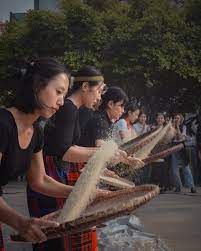
How Angami Rice Wine Is Made- Step by Step
- Selecting the Rice: The process begins with choosing glutinous sticky rice, prized for its sweetness and ability to ferment well. The rice is washed, soaked, and steamed until it becomes soft and slightly sticky.
- Crafting the Fermentation Starter: Every family keeps a recipe for yeast cakes, known locally as thutse. These are made from: Crushed local herbs, Ginger-like roots found in the wild, Rice flour. The mixture is shaped into small cakes and dried in the sun. These cakes contain natural wild yeast and play a vital role in fermentation.
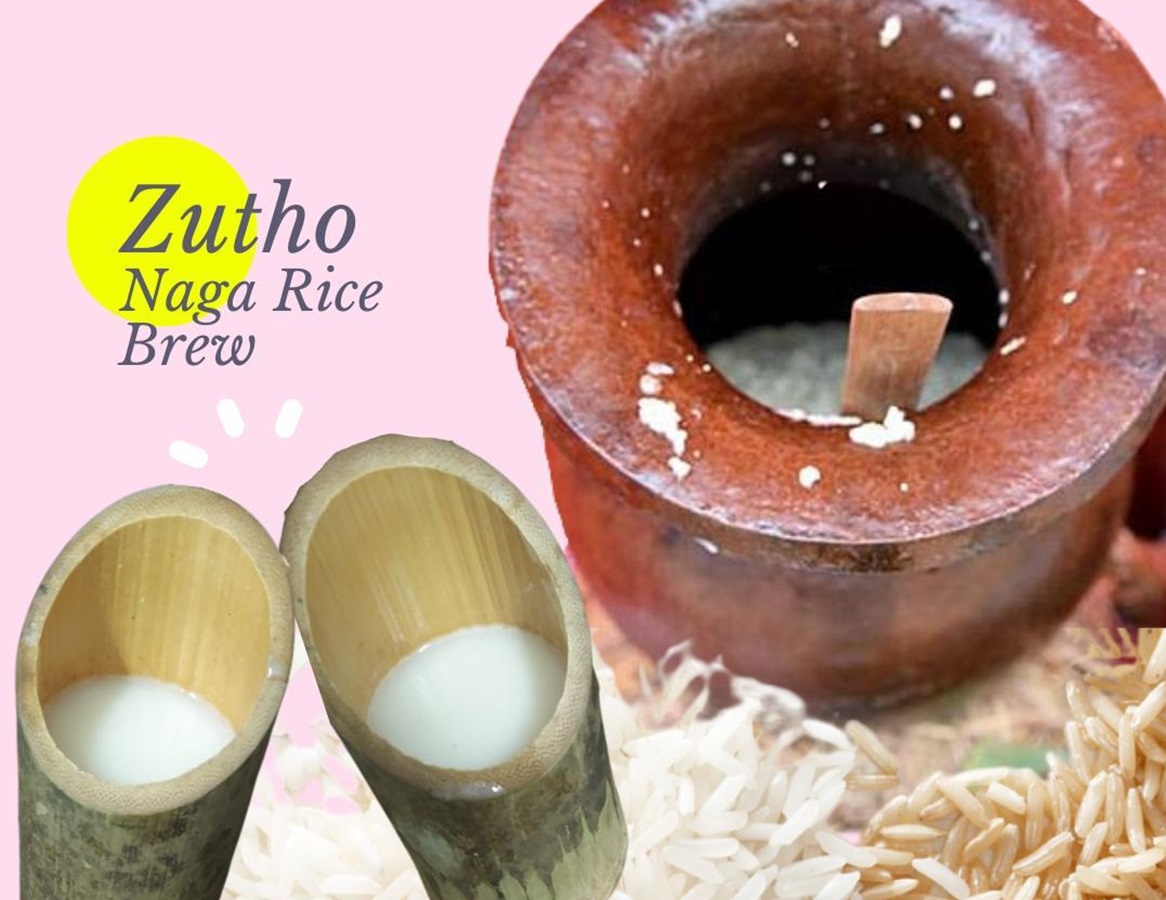
- Beginning the Fermentation: Once the rice cools, it is mixed evenly with powdered yeast cakes. This mixture is placed inside: Bamboo tubes, Earthen pots, or Wooden containers. The container is kept warm for several days, allowing the rice to ferment slowly and naturally.
- Extracting the Wine: After 4–7 days, water is added to the fermented rice, and the liquid is gently squeezed out and filtered. This clear, fragrant drink is the first extract the strongest and richest form of Zü. A second extract can also be made by adding more water, creating a lighter version of the wine.
- Sharing the Drink: Traditionally, rice wine is served in bamboo cups or wooden bowls. Guests are always welcomed with a cup, and festivals remain incomplete without it. It is a drink that brings people together, forging conversations and celebrating moments.
Health Benefits of Traditional Rice Wine
While Angami rice wine is enjoyed socially, it also carries several natural benefits thanks to its fermentation process and clean ingredients:
1. Good for Digestion: Fermented rice wine contains natural probiotics that can support gut health and improve digestion.
2. Rich in Antioxidants: Traditional rice varieties and herbal yeast starters add antioxidants that help reduce inflammation and support immunity.
3. Light and Low in Alcohol: Compared to many modern alcoholic drinks, Zü is naturally low in alcohol, making it gentler on the body.
4. Provides Natural Warmth: In cold hill climates, the wine provides gentle warmth and improves circulation, which is why it’s commonly enjoyed during winter festivals.
5. Energy-Boosting: Rice wine contains simple carbohydrates that offer quick energy helpful during long agricultural days or celebrations.
6. Free from Chemicals: Since it is naturally brewed without any artificial additives, it is cleaner and easier for many people to tolerate.