
Introduction
Just a few kilometers from Kohima, Kigwema Village stands as a serene escape where Angami Naga culture, heritage, and sustainability blend seamlessly. Away from the tourist trail, Kigwema offers travelers an authentic glimpse of Nagaland’s traditional lifestyle, wrapped in natural beauty and warm hospitality.
The Village Experience
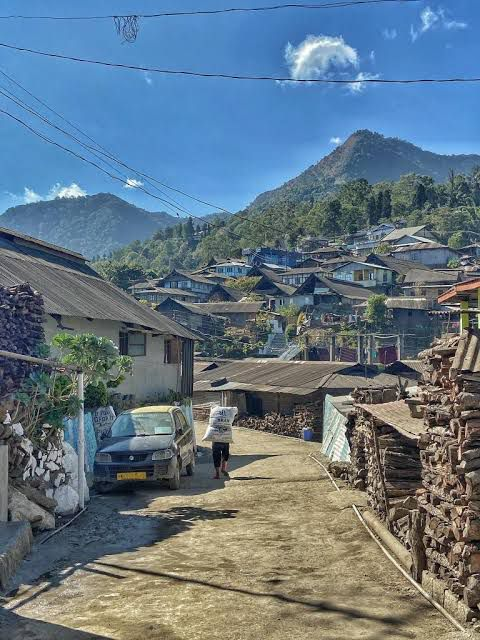
Walking through Kigwema feels like stepping into a storybook — wooden houses, stone-paved lanes, and emerald fields reflecting the village’s quiet charm. Locals welcome visitors with heartfelt smiles, shared meals, and stories that bring to life the true community spirit of Nagaland.
Culture Beyond Festivals
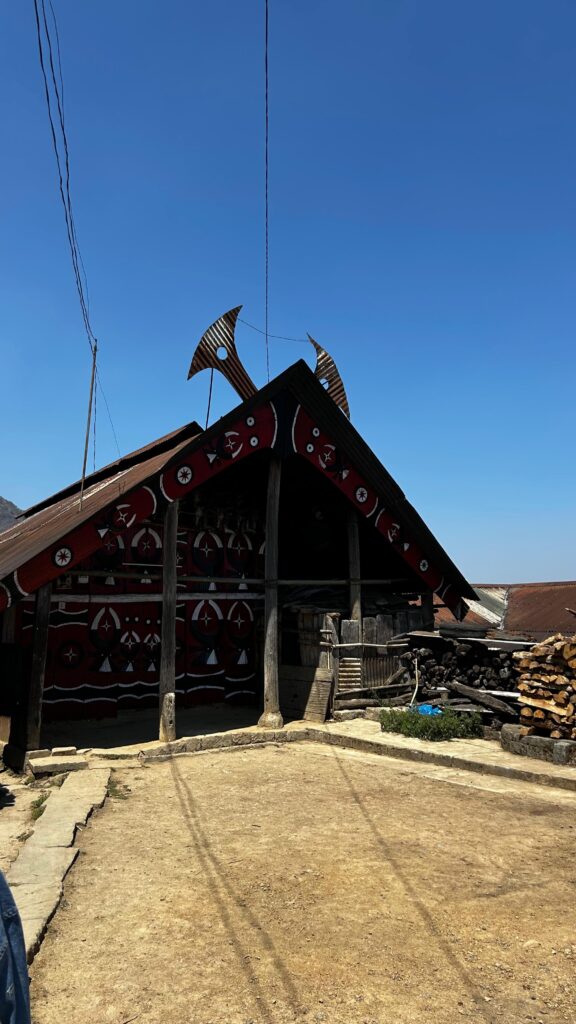
While the Hornbill Festival draws global attention, Kigwema offers a quieter, year-round experience of Angami customs and tribal traditions. Ancient rituals, traditional farming, and communal celebrations here highlight a way of life where culture is not showcased — it’s lived.
Local Life and Cuisine
Kigwema’s flavors tell its story. Taste smoked pork with bamboo shoot, axone chutney, and Galho (rice stew) — prepared over wood-fired stoves in village homes. Many eco-homestays offer farm-fresh, organic meals, creating a true farm-to-table experience that connects travelers to Nagaland’s countryside life.
Nature and Slow Travel
Nestled near Dzükou Valley and Mount Japfü, Kigwema is a haven for eco-tourists and slow travelers. Misty mornings, lush trails, and the sounds of village life make it ideal for those seeking peace, sustainability, and connection with nature beyond mainstream tourism.