Introduction
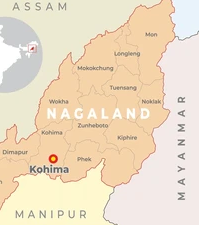
Located in the northeastern border of India, Nagaland is more than a land of pulsating festivals and tribal culture — it’s also an eco-tourist’s paradise. With rolling hills, verdant forests, and people-led conservation, Nagaland provides visitors an opportunity to see nature in its original form while taking part in sustainable and responsible tourism.
Nature’s Canvas: The Beauty of Nagaland’s Landscape
From foggy valleys to peaceful mountain treks, Nagaland’s natural beauty encourages visitors to take their time and connect with nature.
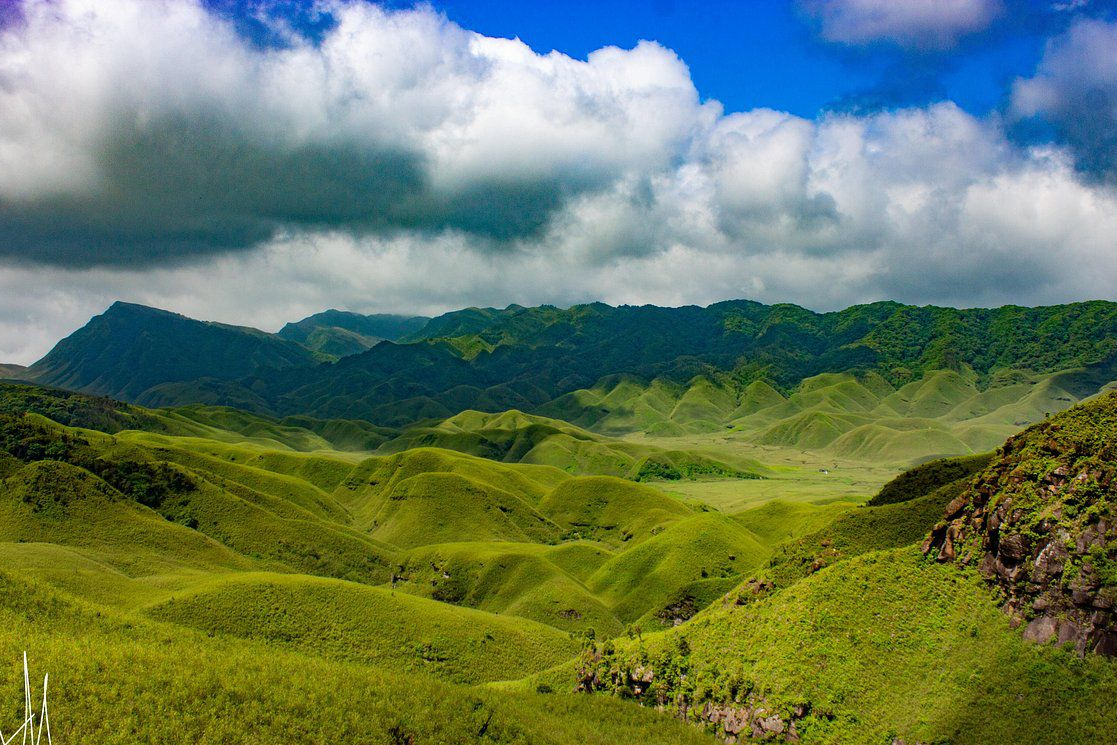
- Dzükou Valley, also referred to as the “Valley of Flowers of the East,” provides stunning treks amidst wildflowers and crystal waters.
- Mount Japfü, the second highest mountain in Nagaland, is a trekkers’ favorite due to its panoramic vistas.
- The Pulie Badze Wildlife Sanctuary close to Kohima harbors rare birds such as the Blyth’s Tragopan — an emblem of the biodiversity of Nagaland.
Such eco-places demonstrate how nature and culture coexist and together constitute the green identity of Nagaland.
Community and Conservation
In Nagaland, eco-tourism goes hand in hand with community involvement. Villages such as Khonoma – India’s first green village – have shown a motivating example by integrating environmental conservation and tourism.
- Local people govern forests, control hunting, and conserve wildlife.
- Tourists can live in eco-homestays, dine on locally grown food from farms, and experience local conservation systems.
- Such a model promotes people and nature benefits-reality at last of sustainability and livelihoods balance.
Cultural Connection Through Eco-Tourism
Nagaland’s eco-tourism is not just limited to landscapes; it also includes cultural immersion. Tourists can:
- Immerse themselves in village life, right from rice cultivation to traditional cooking.
- Explore handloom weaving, bamboo crafts, and tribal festivals that celebrate nature.
- Listen to folklore and stories that tie human life with the rhythm of the hills.
Through such experiences, visitors form a deeper connection with Naga heritage, understanding that sustainability is not new here — it’s a way of life.
Sustainable Travel Tips for Visitors
If you’re planning to explore Nagaland responsibly, remember:
- Choose eco-certified homestays and local guides.
- Support handmade crafts and local produce.
- Be respectful of tribal traditions and sacred sites.
- Travel light and leave no trace.
Eco-tourism is about paying back — to the land, to the people, and to generations that protect them.