Nagaland’s youth are building lives that move between two worlds city cafés and village feasts, remote work and festival roles, creator gigs and community leadership. This blog explores why many stay, some leave, and more are returning in cycles shaping a modern identity rooted in tradition.
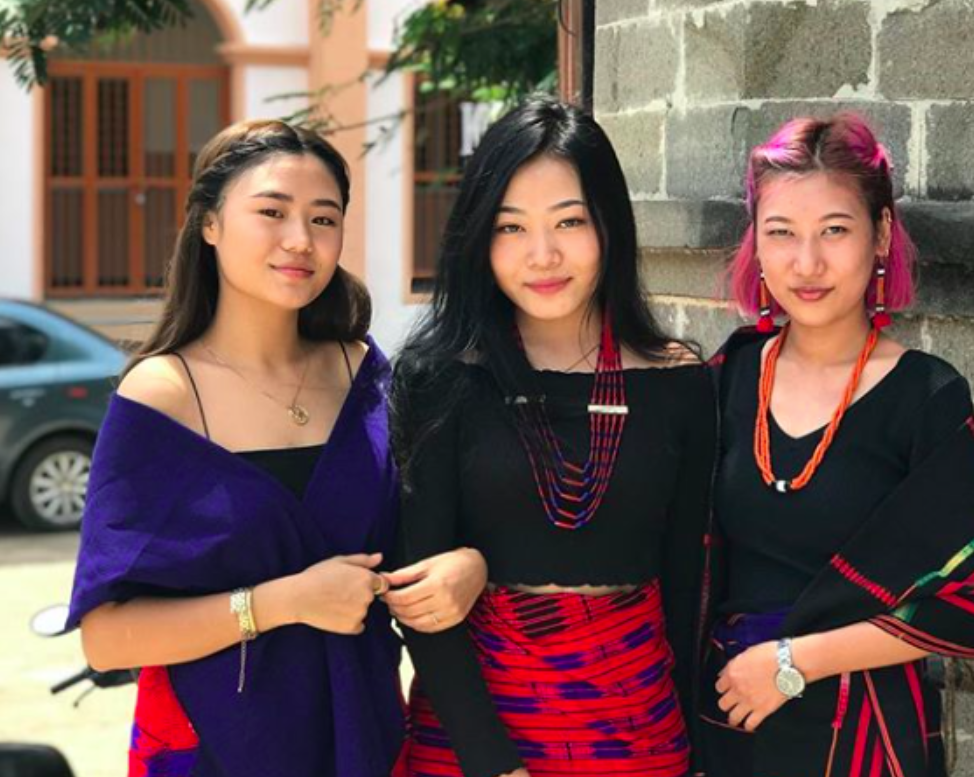
Work and life today
Remote work rise: Content, design, coding, customer support, and tutoring let many work from Kohima or home villages. Co-working corners in cafés and homestays make “laptop + log drum” a real thing.
Seasonal roles: December brings Hornbill gigs—guiding, events, filming, pop-up kitchens while spring festivals and summer treks add cycles of income.
Skill stacks: Youth blend weaving apprenticeships, music, photography, and guiding with short online courses in AI tools, marketing, and finance.
Cost of living and internet reality
Money basics: Side hustles (festival gigs, craft sales, photo rights) cover extras; a second SIM and power bank are musts.
Living costs: Room shares, homestays, and village stays keep budgets sane; biggest variables are transport and data.
Internet: 4G is workable in Kohima, patchy on trails and in valleys; creators batch-shoot offline and upload in town.
Careers with a creative core
Tourism 2.0: Eco-guides, campsite hosts, local chefs, and field educators lead small groups with strong storytelling.
Culture-to-creator: Short-form reels on food, language, shawls, and treks drive income via brand collabs, workshops, and tours.
Craft to commerce: Weaving and basketry go online with pre-orders, limited drops, and maker credits.
Community leadership, reimagined
Give-back days: Profits fund scholarships, sports gear, and trail repairs—building pride and trust.
Youth clubs and church groups organize clean-ups, trekking ethics, artisan fairs, and study circles.
Mentorship: Elders share songs, craft, and history; youth bring e-payments, reels, and storefronts both sides win.
Stay, leave, return: the cycle
- Stay: Lower stress, community support, slower costs; build portfolios locally with flexible gigs.
- Leave: Degrees, specialized jobs, bigger networks; send skills and opportunities back.
- Return: Remote roles, family ties, festival seasons, and a chance to lead at home “both worlds” becomes a plan, not a compromise.